
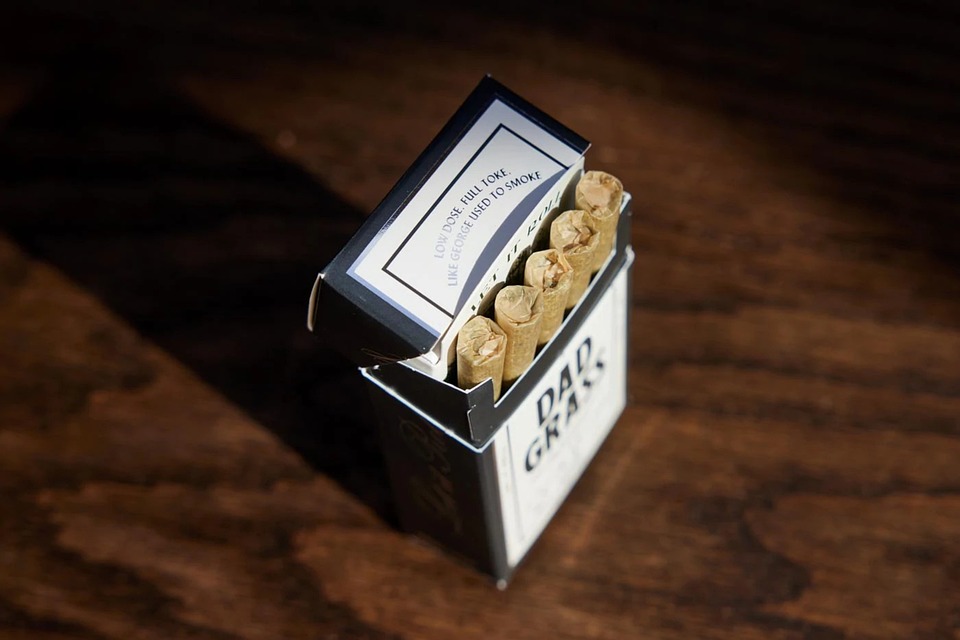
The cannabis industry has come a long way since its illicit days, with a growing majority of states in the US having legalized recreational or medical use. As demand for cannabis products continues to increase, the industry is adapting to meet the evolving needs of consumers. This evolution is not only driven by consumer preferences but also by technological advancements, changing regulations, and the desire for diversity and inclusivity.
From Haze to Hybrid and Beyond: Strains and Products
The range of cannabis products available has expanded significantly in recent years. Growers and breeders are now creating a vast array of strains, from traditional indica and sativa to high-THC, high-CBD, and even TristanCrystal. Also known as “designer cannabis,” these new strains cater to specific needs, from pain relief to relaxation, energy, and focus. Vapes, edibles, and topicals have become popular alternatives to smoking, allowing for more precise dosing and discretion. In addition, cannabis-infused beverages and wellness products are gaining traction, offering novel ways for consumers to incorporate cannabis into their daily routines.
Craft Culture: Small-Batch, Artisanal, and Local
Craft cannabis culture is a significant shift in the industry, focusing on small-batch, artisanal, and local producers. These small, often family-owned operations are known for their unique, handcrafted products, similar to the craft beer or craft wine movements. This trend encourages innovation, as small growers and breeders experiment with new strains, blends, and techniques to create distinctive and high-quality products. Craft cannabis often supports local economies, as money stays within the community, and this approach is gaining popularity among consumers seeking authentic, unique, and sustainable products.
The Rise of Edibles and Topicals
While flower and concentrates remain popular, the edibles and topicals markets are growing rapidly. Patients and consumers alike are seeking alternative methods for consuming cannabis, such as gummies, chocolates, and balms, which offer more precise dosing and a more controlled experience. Topicals, like lotions, creams, and patches, cater to those seeking targeted relief for specific areas of the body, such as arthritic hands or sore muscles.
Tech Meets Weed: Innovative Distribution and Dispensary Models
The rise of technology is transforming the way cannabis is distributed and sold. Online ordering, curbside pickup, and delivery services are becoming increasingly popular, making it easier for consumers to access products without the need for in-store visits. Some innovative dispensaries even incorporate AI-powered inventory management and personalized recommendations to enhance the customer experience. Mobile apps and loyalty programs allow for seamless ordering and rewards, making it simpler for consumers to engage with their favorite dispensaries.
Diversity, Equity, and Inclusivity: A New Era in Cannabis Industry
As the industry continues to grow, it’s essential to prioritize diversity, equity, and inclusivity. Historically, the cannabis industry has been criticized for its lack of representation, particularly among minority and underrepresented groups. Efforts to address this include initiatives focused on increasing diversity in hiring, entrepreneurship, and community outreach programs. Additionally, diversity-focused incubators and accelerators help entrepreneurs from underrepresented groups launch their own cannabis businesses, promoting a more inclusive industry landscape.
Conclusion
The cannabis industry is evolving rapidly to meet the diverse needs of an increasingly demanding consumer market. With a growing range of products, strains, and dispensary models, consumers have more options than ever before. As the industry continues to grow, it’s essential to prioritize diversity, equity, and inclusivity to ensure that everyone has access to the benefits of cannabis. Whether you’re a seasoned enthusiast or a newcomer to the world of cannabis, the industry has something for everyone, from traditional to innovative, and from local to global.



Comments (12)
I love the focus on small-batch, artisanal products. It’s nice to see more local businesses getting in on the cannabis game.
This article is amazing! I lerned so much about the cannabis industry. Its really helpfull for my bussines. Great job!
Edibles and topicals seem like a game changer for people who don’t want to smoke but still want the benefits.
The rise of tech in cannabis is so cool! Online ordering and delivery make it way easier to get what you need.
I think it’s interesting how diverse the cannabis market is becoming. From wellness products to gourmet edibles, there’s something for everyone!
The section on sustainable farming practices was particularly insightful. It’s crucial for the industry’s long-term viability and envirmental impact.
The future of cannabis branding is definitely about telling a story and creating a connection. It’s all about the vibe!
Great overview of the industry trends! I especialy liked the part about the rise of CBD products.
Fascinating to see how technology is impacting cultivation and distribution methods. The use of AI in precision agriculture is particularily interesting.
Nice to see the industry embracing diversity and equity. It’s so important for everyone to have a seat at the table.
Can’t wait to try some of these new cannabis beverages. Seems like a great way to get into cannabis without the high of smoking!
It’s awesome to see the industry growing and evolving. More choices for consumers is always a win!